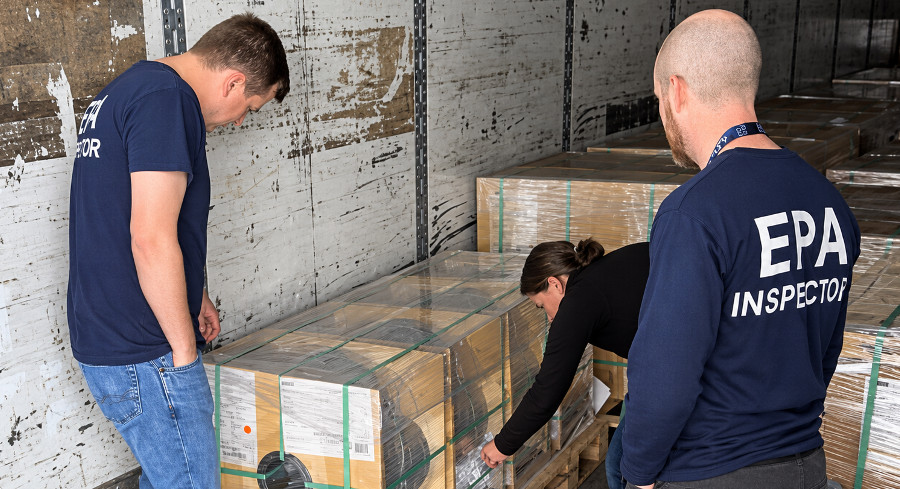
Federal environmental inspectors teamed up with border agents across South Texas last week, launching a dual-front sweep at major commercial crossings and neighborhood storefronts to keep illegal pesticides and hazardous imports off U.S. shelves.
Working alongside U.S. Customs and Border Protection officers at the Port of Brownsville and the Pharr Port of Entry—also known as the Hidalgo Port of Entry—U.S. Environmental Protection Agency officials kicked off the agency’s Fiscal Year 2027 import inspection drive. While teams screened incoming freight at the border, other EPA inspectors fanned out across Brownsville and McAllen, checking local retail shops suspected of selling banned pesticides and related products.
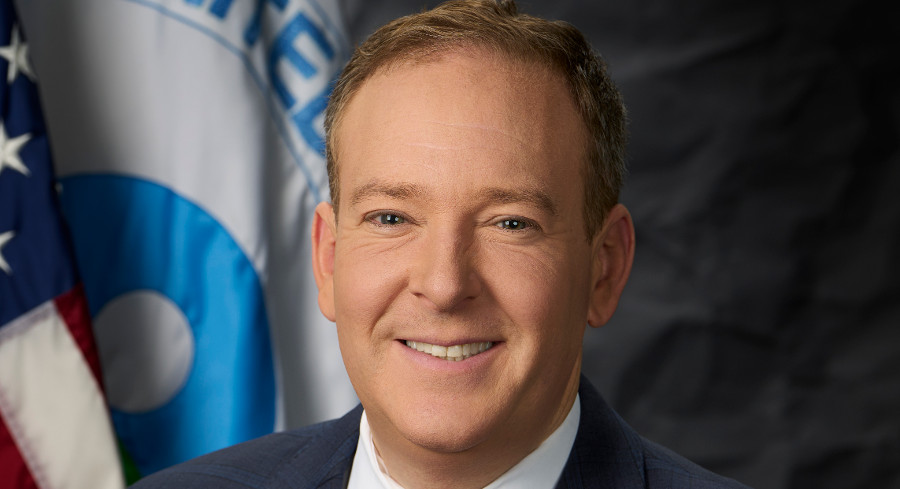
“Although EPA has handled some cases on the southern border, this push to establish a firm and consistent inspection presence with CBP at land ports is critical to systematically curbing the illegal importation of unregistered pesticides and other dangerous products that can cause great harm to American communities,” said EPA Assistant Administrator Jeffrey A. Hall for the Office of Enforcement and Compliance Assurance. “Commercial trucking traffic carrying illegal products from Mexico presents a substantial threat to our national security from transnational organized crime and to consumers who purchase or are exposed to dangerous substances banned in the United States.”
The border crossings targeted in the sweep handle heavy cross-border commerce. The Pharr Port of Entry sits at the Pharr–Reynosa International Bridge linking Pharr, Texas, with Reynosa, Tamaulipas, while the Port of Brownsville at the southern tip of Texas operates as the nation’s largest land-owning public port authority. During the visit, Hall and Principal Deputy Assistant Administrator Craig Pritzlaff met with Carlos Rodriguez, port director for the Hidalgo, Pharr and Anzalduas Port of Entry, to discuss emerging threats, best practices and ways to sharpen enforcement coordination.
Away from the ports, the retail store checks in Brownsville and McAllen give investigators a trail to follow backward through the supply chain to foreign suppliers. Unregulated pesticides pose risks ranging from toxic residues on food crops and environmental harm to direct human injury, and officials noted that transnational organized crime groups also use illegal pesticides on illicit marijuana grows.
“With the longest state border with Mexico, Texas plays a vital part in the Trump EPA’s work to ensure banned pesticides, illegal chemicals and consumer products do not make their way into American homes and businesses,” said Region 6 Administrator Scott Mason. “By collaborating with U.S. CBP at ports of entry and conducting searches at stores and marketplaces, we are taking a comprehensive approach to keeping families safe from potentially harmful products.”
Officials said the surprise surges are also designed to stop importers from “port shopping”—trying to sneak rejected cargo through a different border crossing after CBP orders it sent out of the country. Since January 2026, the joint sweeps have examined 461 products across 181 shipments, stopping more than 490,000 pounds of noncompliant goods from reaching U.S. buyers.
The South Texas operation builds on five seaport and land border inspection pushes in Fiscal Year 2026 that stretched across all four corners of the country, including Savannah, New York and Newark, Los Angeles and Long Beach, Houston, and Pembina, North Dakota. Under laws such as the Clean Air Act, Toxic Substances Control Act, Safe Drinking Water Act, American Innovation and Manufacturing Act, and Federal Insecticide, Fungicide, and Rodenticide Act, CBP officers flag suspect cargo so EPA inspectors can test goods and block illegal shipments before they enter commerce.
Add The Tampa Free Press As A Preferred Source On Google
Please make a small donation to the Tampa Free Press to help sustain independent journalism. Your contribution enables us to continue delivering high-quality, local, and national news coverage.
