
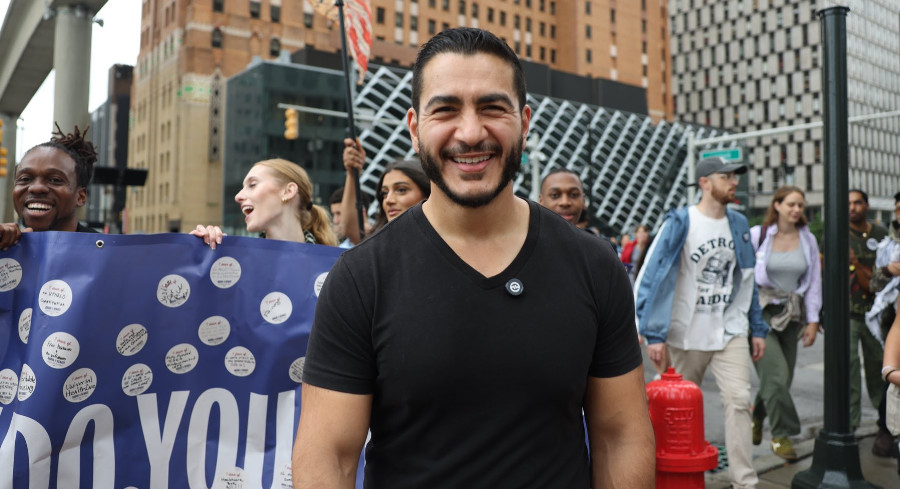
Months of personal attacks are giving way to an unexpected sit-down between Vice President JD Vance and Michigan Senator-elect Abdul El-Sayed.
In a November 17 interview, El-Sayed said he is “looking forward to sitting down” with Vance, adding, “I didn’t run for office to get elected to engage in this red-versus-blue drama.” He framed the upcoming meeting as a chance to focus on issues affecting the public rather than partisan fighting.
Already, though, the two camps are offering competing versions of who blinked first. El-Sayed told interviewers that Vance’s office contacted his team to arrange the meeting. The next day, Vance’s office countered that it only reached out after learning the Democrat wanted time with the vice president. On November 19, the White House confirmed it had contacted El-Sayed’s team after hearing of his interest, leaving it unclear who actually made the first move.
When it comes to working together, both men are setting very different terms. During a television interview, Vance praised Michigan residents for building products with American craftsmanship and said El-Sayed would find the administration “a willing partner” if he wants to work with him and President Donald Trump to improve lives in the state. One day later, El-Sayed laid out his own agenda: getting money out of politics, putting money in people’s pockets, and passing Medicare for All—a policy the Trump administration has flatly rejected.
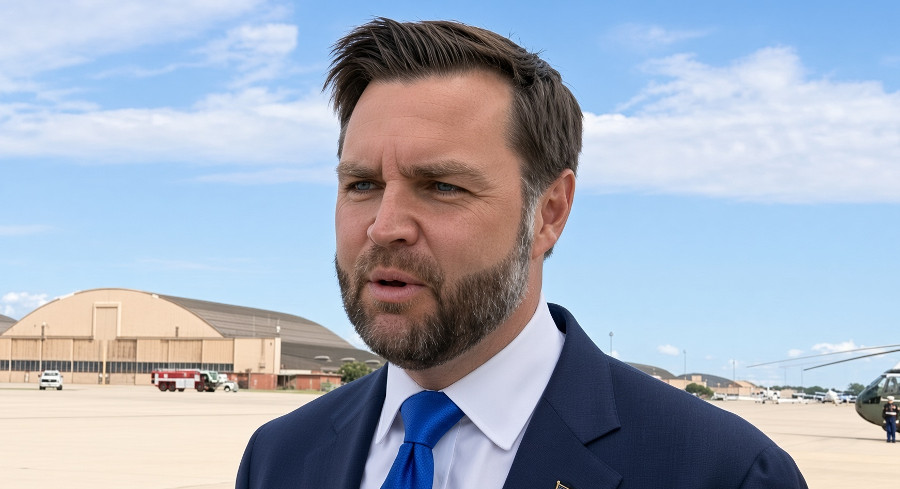
That talk of cooperation marks a sharp reversal from a midterm campaign packed with personal jabs. While stumping outside Detroit for Republican nominee Mike Rogers, Vance questioned El-Sayed’s patriotism and labeled him “radical,” a “little weasel,” and “very, very evil.” El-Sayed, a University of Michigan alumnus, fired back at Vance’s Ohio State roots, saying the vice president should recognize him as a Wolverine.
The rivalry turned deeply personal over the summer when El-Sayed suggested on social media that Vance’s grandfather would not have approved of his interracial marriage to Usha Vance, following earlier remarks El-Sayed made on an April podcast about the couple’s marriage and children. Vance fired back at a rally in Sterling Heights, telling El-Sayed to keep his wife’s name out of his mouth and calling her “way out of your league.”
Voters ultimately delivered the final word on November 3, when the 42-year-old former public health official defeated Rogers by roughly seven percentage points to become the first Muslim American elected to the U.S. Senate. After his victory, El-Sayed referred to Vance as “Habibi” in his remarks, sparking a surge in online searches for the Arabic term. He later told a newspaper the comment reflected both sympathy for Vance and the reality that he had just beaten him. El-Sayed also remarked that Vance takes orders from “the dumbest man,” though he noted their upcoming swearing-in ceremony would not be awkward unless Vance made it so.
For Vance, the loss in Michigan was part of a broader midterm setback that saw Republicans lose both chambers of Congress. The morning after the election, Vance wrote in a 614-word post on X that “the reason we lost is the war,” pointing to the conflict with Iran. He noted a pollster told him that 2024 Trump voters who switched sides cited the war and the cost of living.
Now, the outreach to a vocal critic comes as Vance weighs his own political future ahead of a potential 2028 Republican presidential bid. On November 16, Vance said he had not yet made up his mind and would settle the question in 2027, adding that whatever he decides, he will be “all in.” Regardless of what happens behind closed doors at their upcoming meeting, the two rivals will share a public stage on January 3, 2027, when Vance—as president of the Senate—presides over El-Sayed’s swearing-in.
Add The Tampa Free Press As A Preferred Source On Google
Please make a small donation to the Tampa Free Press to help sustain independent journalism. Your contribution enables us to continue delivering high-quality, local, and national news coverage.
