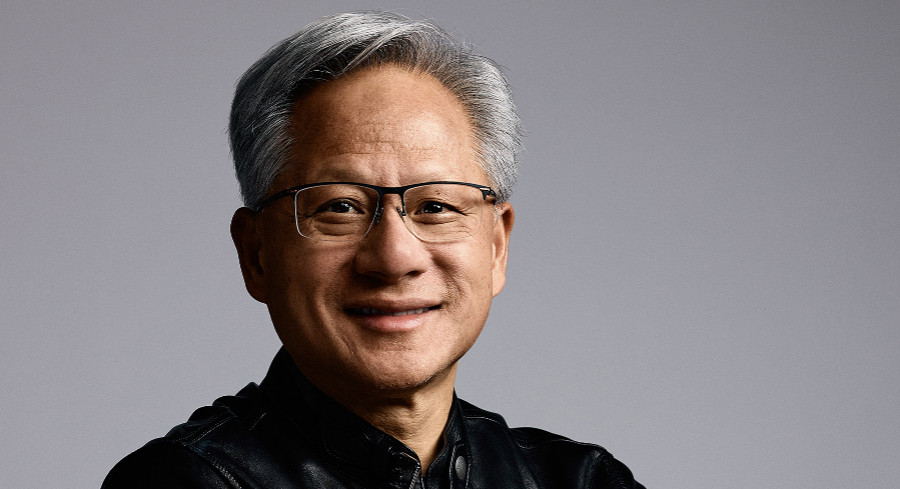
Top Republican lawmakers are breaking ranks with President Donald Trump over Nvidia’s decision to put Jensen Huang back in the chief executive’s chair, warning that his rapid return leaves major national security questions unanswered.
In a joint statement, the Republican chairs of three powerful House panels—Reps. Rick Crawford of the Intelligence Committee, Brian Mast of the Foreign Affairs Committee, and John Moolenaar of the Select Committee on the Chinese Communist Party—pushed back hard against the move. They stated that the chipmaker’s “brief internal investigation” and its decision to bring Huang back “do not erase the national security threats and questions that must be addressed”.
The three chairmen added that they remain focused on getting answers about the smuggling of Nvidia products and their use by the Chinese military.
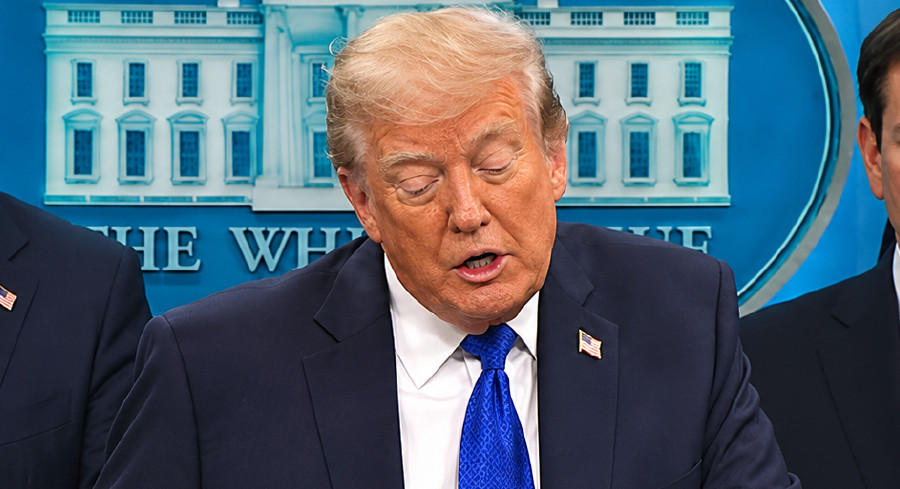
The sharp rebuke stands in contrast to Trump, who earlier dismissed the idea of a backlash from his own party. Speaking in an interview on CNBC, the president downplayed concerns from Capitol Hill, saying, “When I speak to them, they’re going to be great”.
Huang resigned earlier this month amid scrutiny over his relationship with a suspected Chinese intelligence operative, but Nvidia’s board reinstated him on Monday following a weekend push backed by the White House. In announcing his return, the company’s board said it had relied on input from senior U.S. officials to conclude that putting Huang back in charge posed no risk to national security.
That explanation failed to satisfy several GOP senators as well. Utah Sen. John Curtis questioned who inside the government had weighed in, asking, “What did they tell the board, and on what basis did the board conclude that there was no risk?” Texas Sen. John Cornyn raised similar doubts on social media, asking whether the FBI had conducted a defensive briefing with Huang before clearing him. Meanwhile, Arkansas Sen. Tom Cotton, a longtime China hawk who chairs the Senate Intelligence Committee, wrote on X that the issue is far from settled and vowed that Congress would continue investigating and pass stricter chip export laws.
Attorney General Todd Blanche defended the administration’s handling of the matter during a news conference, calling Nvidia “a good corporate citizen”. Blanche said a collective consensus had been reached among law enforcement and intelligence agencies, though he declined to confirm whether Huang himself was the subject of a formal criminal probe.
Lawmakers will soon have a chance to question the tech executive directly. Huang is scheduled to sit for a transcribed interview with House committees on December 1, followed by Nvidia’s general counsel on December 2, before appearing publicly before the Senate Banking Committee on December 3.
Add The Tampa Free Press As A Preferred Source On Google
Please make a small donation to the Tampa Free Press to help sustain independent journalism. Your contribution enables us to continue delivering high-quality, local, and national news coverage.
