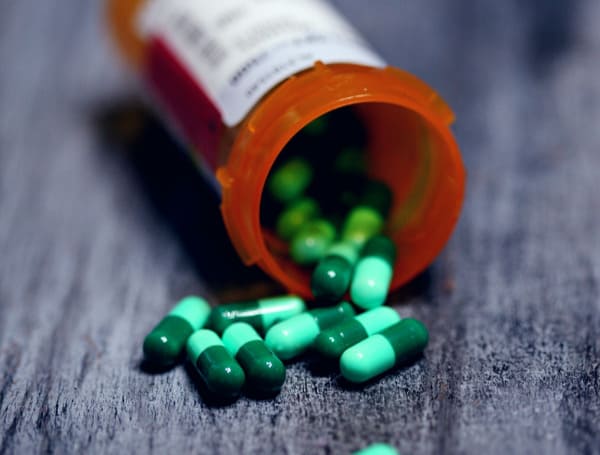
Five of America’s largest pharmaceutical companies will stop launching clinical drug trials at Chinese military hospitals following revelations that federal health inspectors were twice barred from a military testing site over territorial demands involving Taiwan.
AbbVie, Bristol Myers Squibb, Lilly, Merck, and Pfizer confirmed they will no longer initiate new clinical trials at facilities in China run by the People’s Liberation Army (PLA), according to the House Select Committee on China. Four of the five companies also agreed to end clinical trials in Xinjiang, a region where the U.S. government has determined the Chinese Communist Party is carrying out a genocide against Uyghurs and other ethnic minorities. AbbVie, the maker of Humira, was the only company among the five that did not commit to ending trials in Xinjiang.
The corporate shift comes after Committee Chairman Rep. John Moolenaar sent letters to the drugmakers earlier this year questioning their research operations at those locations.
“Major American drugmakers are changing course and doing the right thing by halting new clinical trials at high-risk locations in Xinjiang and at Chinese military hospitals,” Moolenaar said in a statement. “Doing drug research at these locations raised serious ethical and national security concerns. In America, we have an unwavering commitment to openness, ethics, and scientific excellence. These core values reflect our nation, and they are everything the CCP abhors. It is common sense to ensure that our pharmaceutical research is not intertwined with the CCP’s human rights abuses.”
Moolenaar criticized AbbVie for continuing its operations in Xinjiang. “It is outrageous that AbbVie will still conduct clinical trials in a region where the CCP is committing genocide,” he said. “That decision does not reflect the values of its customers or even the majority of its employees, and it should immediately join its peers in ending this practice.”
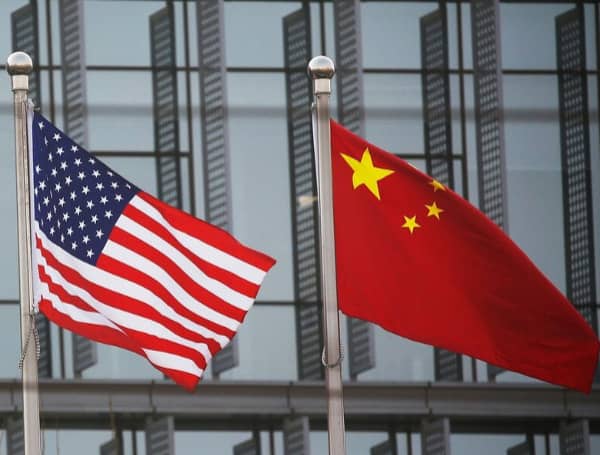
The scrutiny follows details published in an excerpt from Prescription America: How to Protect Americans from a Dangerous Dependence on China for Their Medicines, which revealed that U.S. Food and Drug Administration inspectors were denied entry to a clinical trial site in Beijing. In 2021 and again in 2024, a clinical investigator at the 5th PLA Medical Center blocked FDA officials from inspecting the facility unless they formally recognized Beijing’s territorial claims over Taiwan.
“Any facility that blocks the FDA from inspecting its clinical trials cannot be trusted to develop safe medicines for Americans,” Moolenaar said. “It is already outrageous that Western companies are developing drugs at sites run by the PLA and even worse that the FDA is being blocked from inspections. This incident serves as a reminder of why it is critical to invest in our biotechnology sector to bring innovation back home. The FDA should never accept data from sites controlled by the PLA, and we must cut dependence on Chinese firms for our pharmaceutical supply chains.”
Lawmakers have also moved to tighten rules on foreign clinical data entering the U.S. drug approval process. In May, Moolenaar advanced language in the 2027 Department of Agriculture funding bill report that would prohibit the FDA from accepting, reviewing, or considering covered clinical data generated at trial sites in China.
In August, he followed up with a formal letter to the agency calling on regulators to stop using clinical trial data from China for any new drug or trial applications unless FDA officials have physically inspected the testing site within the past 12 months.
Add The Tampa Free Press As A Preferred Source On Google
Please make a small donation to the Tampa Free Press to help sustain independent journalism. Your contribution enables us to continue delivering high-quality, local, and national news coverage.
