

Real-time air monitors have shown no airborne lead detected across the region so far following a controlled detonation of lead azide at the Iowa Army Ammunition Plant in Middletown, Iowa, according to a U.S. Environmental Protection Agency update released Thursday.
Officials reported that agency staff and contractors collected 1,591 air, water, soil, and dust samples prior to the blast. Another 300 EPA workers and contractors were staged nearby and began gathering post-detonation samples around 1 p.m. CT on Wednesday, logging more than 1,000 samples since then.
Crews re-sampled more than 130 structures that had been tested before the detonation. After the blast, teams took samples from homes, public parks with playgrounds, and every drinking water intake inside the pre-detonation plume model. Testing on Thursday targets schools, playgrounds, daycares, churches, and additional sites in the area.
Working alongside the U.S. Department of Agriculture, the EPA gathered samples from nearby farms both before and after the controlled detonation. Water testing across the Mississippi River watershed has also been carried out before and after the event.
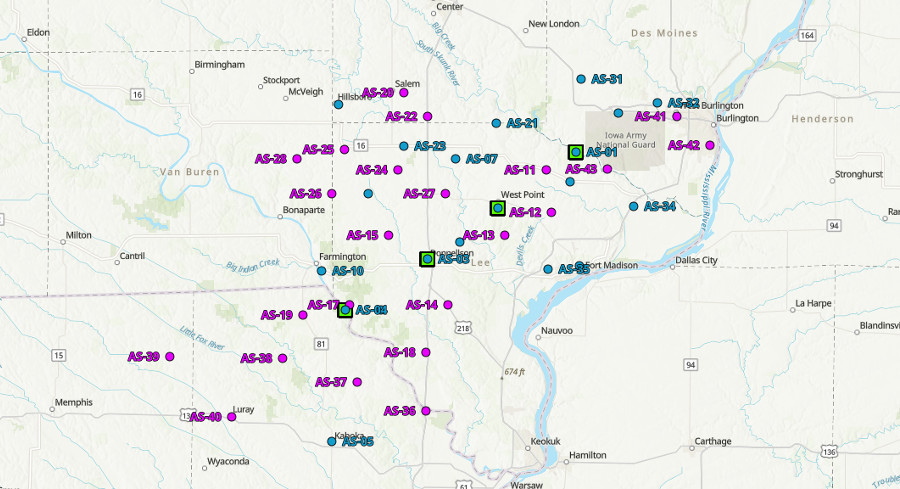
The agency plans to wrap up air and water sampling Thursday. Staff finished an initial round of drinking water sampling on the day of the detonation and will start a second round today, along with continued sampling at agricultural ponds in Missouri. Canisters for testing volatile organic compounds went out at 4 a.m. CT on detonation morning and were picked up at 4 a.m. CT Thursday. Lead air cassettes are being swapped out to keep monitoring going today while continuous air monitors stay online, with live readings posted at epa.gov/IowaData. Soil and dust sampling is slated to finish today as well.
Lab results from the post-detonation samples are expected to start coming back as soon as Friday. Samples have gone to the EPA’s Region 7 lab in Kansas City, Kansas, mobile labs on site, and contracted private labs. A total of 170 pieces of equipment are supporting the effort, among them a mobile command center, three mobile labs, and an air toxics lab.
Alongside lead, crews are checking for volatile organic compounds and particulate matter to cover other potential releases tied to the detonation. The agency stated it will keep personnel on site as long as needed for monitoring and will share updates with residents and the press as more data arrives.
Add The Tampa Free Press As A Preferred Source On Google
Please make a small donation to the Tampa Free Press to help sustain independent journalism. Your contribution enables us to continue delivering high-quality, local, and national news coverage.
