
In the wake of Democratic gains in the November midterm elections, several congressional Republicans are signaling a willingness to reexamine portions of President Donald Trump’s sweeping tariff policies. The shift opens a potential avenue for bipartisan legislation on international trade as Democrats prepare to take control of Congress, though significant political and procedural hurdles remain.
According to a Friday report from The Associated Press, Republican lawmakers have voiced growing concern over how broad import duties are affecting American businesses, supply chains, and household expenses.
Throughout his second term, Trump has made aggressive tariffs a centerpiece of his economic agenda, raising the average U.S. tariff rate from roughly 2.5% in January 2025 to 11.2%, according to the Yale University Budget Lab. While the White House argues the duties are essential for reviving domestic manufacturing, critics and economists note that importers frequently pass those costs on to American consumers.
Following the midterm elections, in which voter frustration over the cost of living played a central role, some Republicans are advocating for a more targeted approach:
Sen. Todd Young (R-Ind.): Young stated that “a rethink is indeed in order,” arguing that an overly broad tariff structure is negatively impacting factory floors, farms, small businesses, and family budgets. He called for tariffs to be predictable and focused on strategic goals—such as reshoring critical goods or pressuring trading partners to open their markets—while emphasizing that the administration should actively consult Congress during negotiations to renew the U.S.-Mexico-Canada Agreement (USMCA).
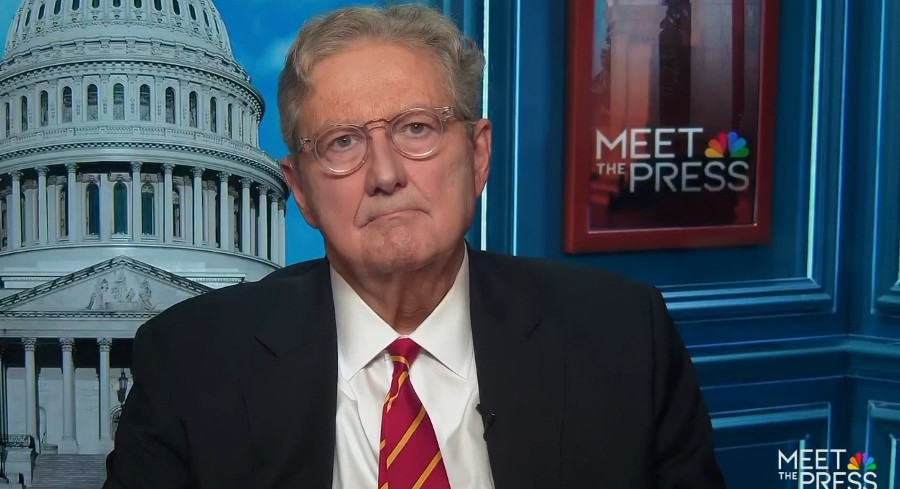
Sen. John Kennedy (R-La.): Kennedy distinguished between levies placed on U.S. adversaries and those targeting close allies. While maintaining support for tariffs on China, he questioned duties imposed on America’s northern neighbor, stating, “Tariffs with respect to Canada don’t make sense to me”.
Other GOP Voices: Rep. Michael Guest (R-Miss.) noted there may be areas of agreement with Democrats on a case-by-case basis, even as he opposed blanket restrictions on presidential trade authority. Meanwhile, Sen. Rand Paul (R-Ky.), a longtime opponent of tariffs, suggested that any repeal effort would likely need to be attached to must-pass legislation to stand a chance.
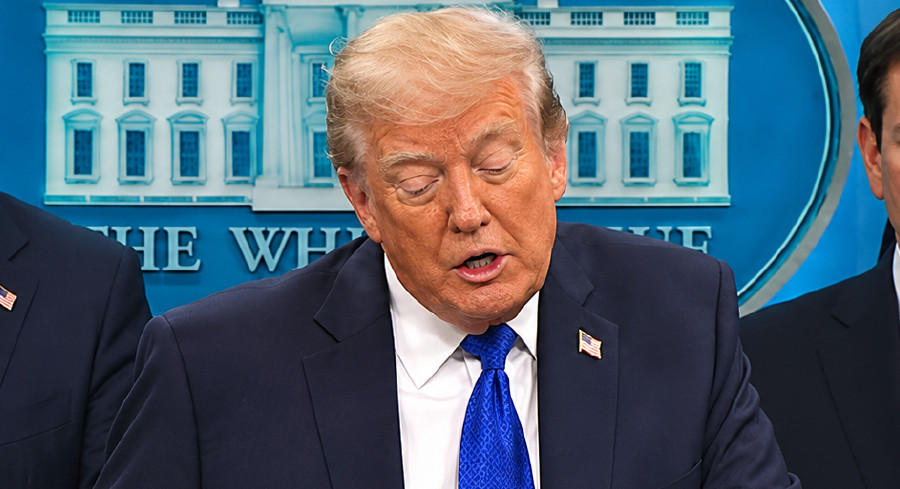
Incoming Senate Finance Committee Chairman Ron Wyden (D-Ore.) and other Democratic lawmakers have identified Canadian import duties—including 50% tariffs Trump imposed in August on $20 billion worth of Canadian goods—as a primary target for early legislative action. Retaliatory measures from Canada have weighed on domestic industries, giving Republicans from trade-dependent states additional incentive to consider rolling back those specific levies.
Despite the rumblings on Capitol Hill, the administration has shown no sign of retreating from its trade strategy. On Wednesday, the White House proposed additional tariffs targeting China, the European Union, Japan, South Korea, Taiwan, and nine other major trading partners.
White House spokesman Matthew Middleton defended the administration’s record, stating that Trump remains committed to rebuilding left-behind American communities, lowering costs, and expanding economic opportunity for working families through his broader agenda of tariffs, tax cuts, and deregulation.
Even if bipartisan coalitions form around rolling back specific duties, lawmakers face a steep legislative climb. No broad repeal of the tariffs has been agreed upon, and Republicans remain reluctant to permanently strip the presidency of its trade powers. Furthermore, any standalone bill reversing Trump’s tariffs would almost certainly face a presidential veto. Overriding that veto would require a two-thirds supermajority in both the House and the Senate—a high threshold that Democrats cannot reach without substantial Republican defections.
Add The Tampa Free Press As A Preferred Source On Google
Please make a small donation to the Tampa Free Press to help sustain independent journalism. Your contribution enables us to continue delivering high-quality, local, and national news coverage.
