
A Texas company that marketed itself as a standard business-to-business marketplace was actually running a pay-to-play pipeline for deadly synthetic drugs, federal prosecutors revealed following the firm’s guilty plea.
eWorldTrade LLC pleaded guilty to one count of conspiracy to distribute synthetic opioids for unlawful importation into the United States. As part of the plea agreement, the company must pay a $1.35 million criminal fine—a figure prosecutors set based on what the business could afford to pay.
For an entire year, from March 2024 through March 2025, eWorldTrade operated as a digital storefront for narcotics. Registered users logging onto the website had access to dozens of illicit substances, including fentanyl, carfentanil, and nitazenes. According to court records, the company knew full well those shipments were destined for American soil.
Rather than simply looking the other way, eWorldTrade built the drug trade directly into its business model. Customers who bought into the platform’s paid membership tiers received easier access to what were effectively “premium” drug suppliers. Paying more unlocked direct connections to China-based sellers who openly advertised and sold synthetic opioids on the site.
In court filings, eWorldTrade admitted its agents knowingly and intentionally helped broker widespread sales of those synthetic opioids—along with heroin and methamphetamine—linking overseas traffickers directly to prospective buyers in the U.S.
“The Criminal Division will hold businesses accountable that facilitate the distribution of deadly drugs that put the lives of Americans at risk – just like we would any other drug dealer,” said Assistant Attorney General A. Tysen Duva of the Justice Department’s Criminal Division. “These incredibly dangerous, illegal synthetic opioids were manufactured abroad but brought into the U.S. because of eWorldTrade. Companies who knowingly facilitate the illicit sale of controlled substances will pay the price for the Americans they put in harm’s way.”
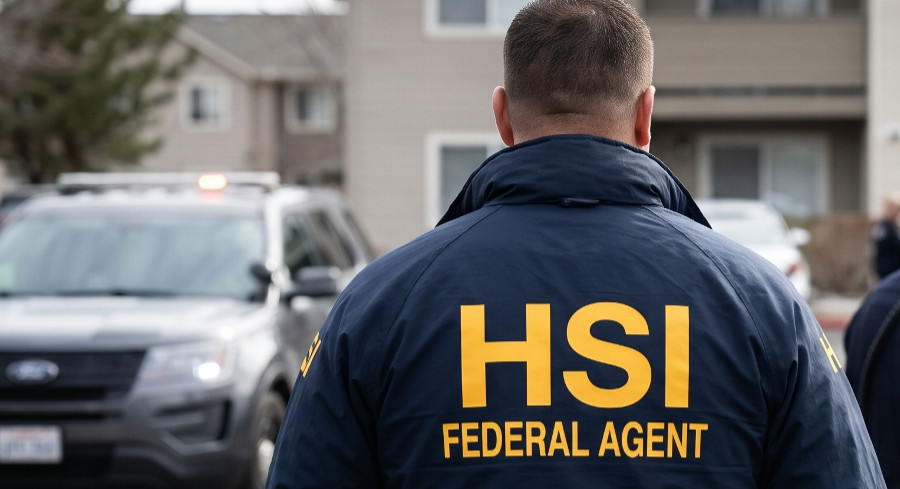
Federal agents who worked the case drew a straight line between digital marketplaces and violent street-level cartels.
“Businesses that knowingly facilitate the online sale of synthetic opioids are no less dangerous than cartels and foreign terrorist organizations,” said Acting Special Agent in Charge Michael Perez of Homeland Security Investigations (HSI) Nashville. “Through close coordination with our law enforcement partners domestically and abroad, HSI will continue to identify and disrupt those networks.”
eWorldTrade never came forward on its own to report the scheme. Still, prosecutors gave the company credit for owning up to the crimes and cooperating once federal agents closed in. That cooperation meant digging up, analyzing, and turning over massive amounts of internal data, briefing investigators on what its own internal review uncovered, and moving quickly to fix its broken oversight.
Under the terms of the deal, eWorldTrade has to overhaul its compliance programs and internal controls, with mandatory progress reports going straight to the Justice Department throughout its probation term.
The investigation was a joint effort between the HSI Knoxville Office and the U.S. Postal Inspection Service’s Chattanooga Office. Trial Attorneys Jayce Born and Max J. Goldman—part of the Criminal Division’s Money Laundering, Narcotics and Forfeiture Section, a unit focused on dismantling cartels and draining the profits out of organized crime—are leading the prosecution.
eWorldTrade is scheduled to be sentenced on Dec. 14.
Add The Tampa Free Press As A Preferred Source On Google
Please make a small donation to the Tampa Free Press to help sustain independent journalism. Your contribution enables us to continue delivering high-quality, local, and national news coverage.
